Tips for Creating a Relaxing Home Workspace to Boost Productivity
Creating a relaxing home workspace can make a significant difference in your productivity and overall well-being. When your work area feels calm and organized, it’s easier to focus and maintain motivation throughout the day. Whether you’re new to working from home or simply want to improve your current setup, these tips will help you craft a comfortable and productive environment.
Why a Relaxing Workspace Matters
A workspace that encourages relaxation can reduce stress and increase concentration. Clutter and distractions often lead to frustration, which in turn impacts your efficiency. By designing a calming area for work, you create a positive atmosphere that supports both creativity and focus.
Choose the Right Location
Consider Natural Light
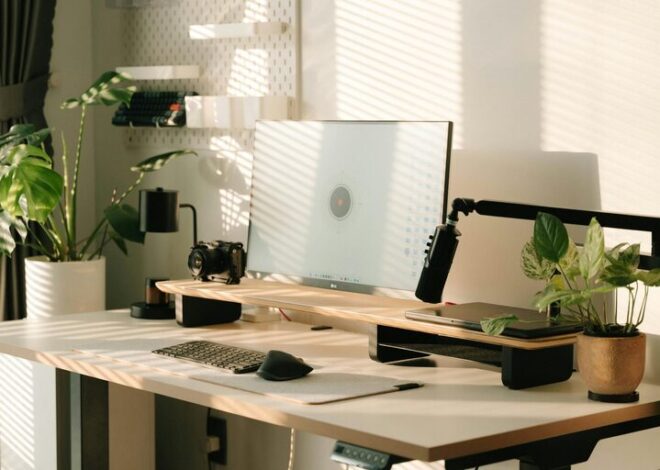
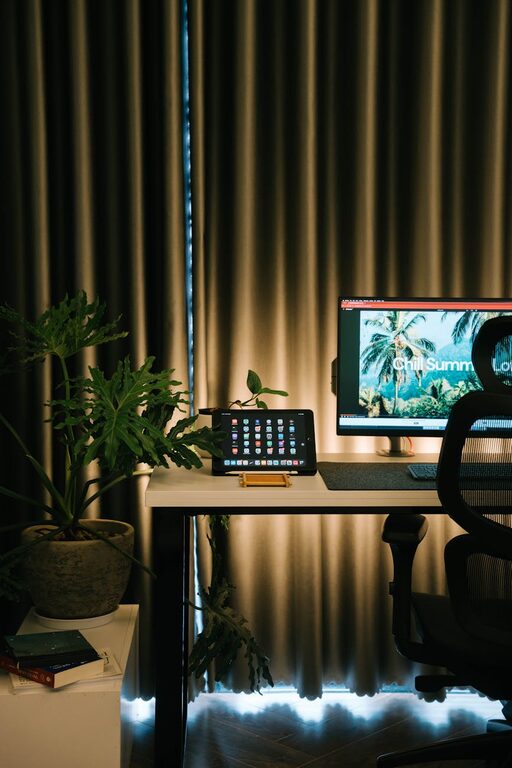
Start by selecting a spot in your home with plenty of natural light. Daylight not only boosts mood but also reduces eye strain. Position your desk near a window if possible. If natural light is limited, use soft, warm lighting to create a comfortable ambiance.
Minimize Noise
Try to find a quiet corner of your home, away from high-traffic areas. If complete quiet is hard to find, consider using noise-canceling headphones or playing gentle background music to mask distractions.
Invest in Comfortable, Functional Furniture
Ergonomic Chair and Desk
A comfortable chair with good back support is essential for long hours of work. Choose an adjustable chair that supports your posture. Your desk should be at a height that allows your arms to rest comfortably while typing, helping to prevent strain.
Declutter Your Desk
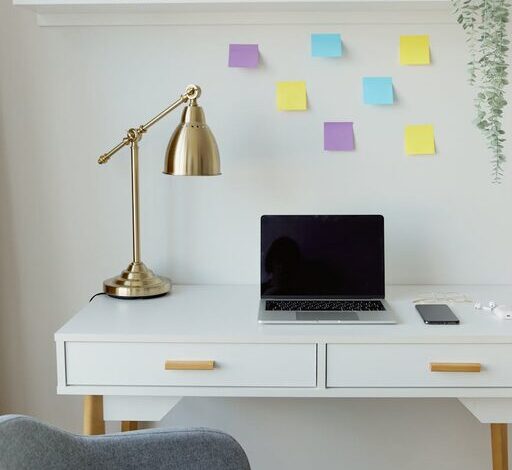
Keep your desk surface clean and minimal to avoid feeling overwhelmed. Use organizers or trays to store supplies neatly. A tidy workspace helps keep your mind clear and focused.
Incorporate Soothing Colors and Decor
Choose Calming Colors
Soft, neutral colors such as light blues, greens, or pastels create a relaxing atmosphere. Avoid overly bright or harsh colors that can increase stress or distraction.
Add Personal Touches
Include items that make you feel calm and happy, such as plants, artwork, or photographs. Green plants not only beautify your space but also improve air quality and bring a touch of nature indoors.
Organize with Purpose
Create Zones
Designate specific areas for different tasks, like a writing zone, computer zone, and storage space. This helps shift your mindset and keeps work organized.
Use Storage Solutions
Invest in shelves, cabinets, or drawers to keep paperwork and office supplies neatly stored away. Labels can help you find items quickly and maintain order.
Manage Technology and Cords
Keep Cords Tidy
Use cable organizers or clips to prevent cords from tangling. A cleaner setup reduces visual distraction and makes cleaning easier.
Use Quality Technology
Ensure your computer, keyboard, and mouse are responsive and comfortable to use. Slow or malfunctioning devices only add frustration and reduce productivity.
Incorporate Relaxation Techniques
Take Regular Breaks
Designate short breaks throughout your workday to stretch, breathe deeply, or simply step away from your desk. This helps reduce fatigue and maintain focus.
Add a Relaxation Corner
If space allows, create a small area with a comfortable chair or cushion where you can relax during breaks. Use this spot for meditation, reading, or light stretching.
Maintain Good Air Quality and Temperature
Ventilation
Keep your workspace well-ventilated by opening windows when possible or using an air purifier. Fresh air helps keep your mind alert.
Maintain Comfortable Temperature
Make sure the temperature in your workspace is neither too hot nor too cold. Comfortable climate encourages longer periods of focused work without discomfort.
Lighting Tips for Comfort and Productivity
Use Adjustable Lighting
Desk lamps with adjustable brightness allow you to control the lighting based on the time of day and task. Avoid harsh overhead lights.
Consider Blue Light Filters
If you work long hours in front of a screen, use blue light filters or glasses to help reduce eye strain and improve sleep quality.
Set Boundaries and Routines
Keep Work Separate
Try not to use your workspace for non-work activities. This helps reinforce the mental separation between work and relaxation.
Establish a Daily Routine
Start and end your workday at consistent times. A routine boosts productivity and helps maintain work-life balance.
—
A relaxing home workspace is about finding balance and tailoring your environment to your personal preferences and needs. By incorporating these simple tips, you can create a space that supports productivity, reduces stress, and makes working from home a more enjoyable experience.